
Edmonton’s New Zoning Rules Explained: What the RS Zone Means for Homeowners and Investors
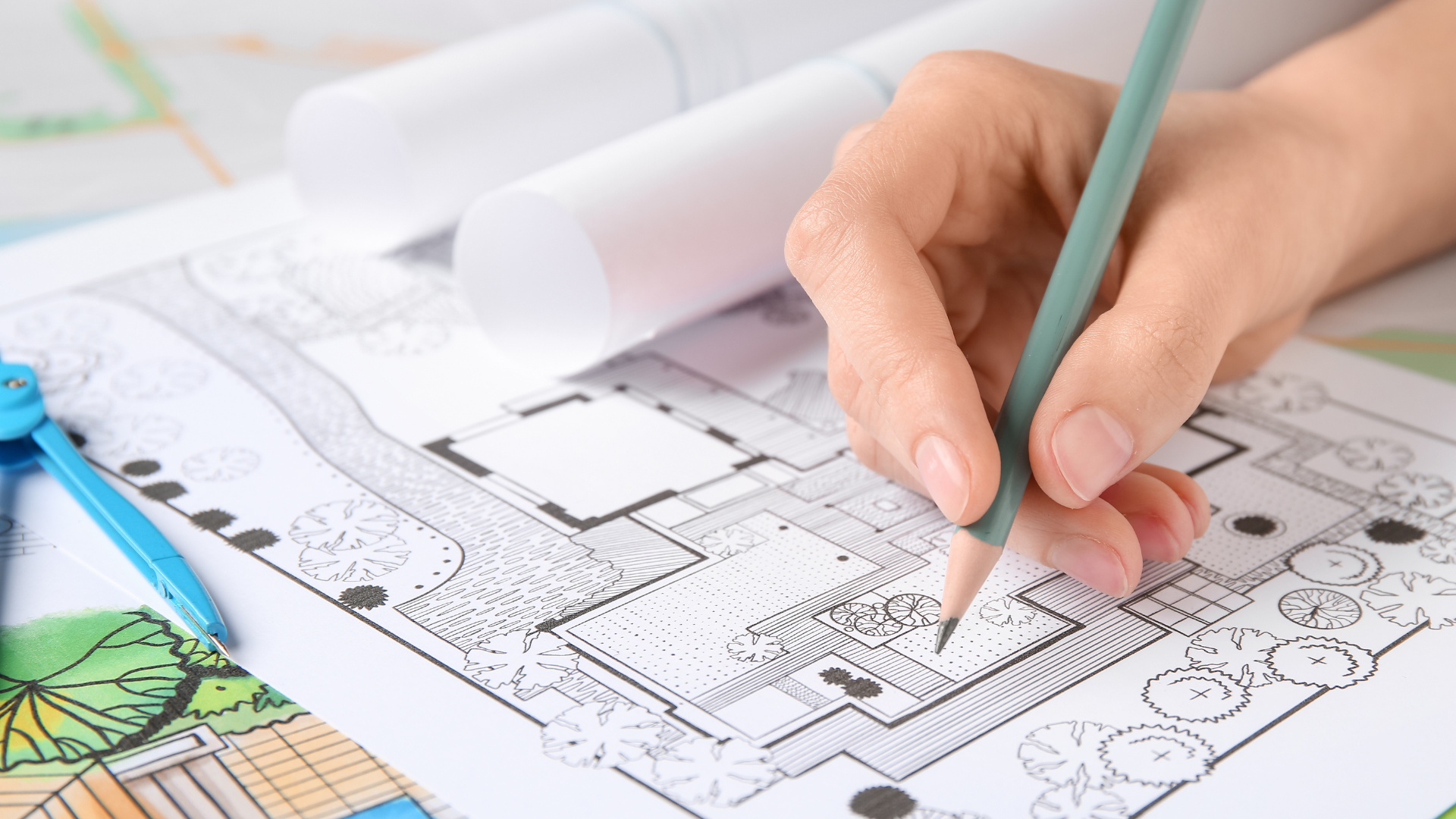
Edmonton is growing at a record pace, adding over 100,000 new residents in just two years. To accommodate this massive population surge and meet diverse housing needs, the City of Edmonton has implemented sweeping updates to its Zoning Bylaw. Central to this densification strategy is the Small Scale Residential (RS) Zone, a revolutionary framework designed to provide unparalleled property flexibility, boost housing affordability, and encourage dynamic infill development across the city's mature and redeveloping neighborhoods.
Whether you are a homeowner looking to build a garden suite for extra income, or a developer planning a multi-unit project, here is your comprehensive guide to navigating Edmonton’s new RS Zone.
The RS Zone: Permitted Housing Options & Densification Strategy
The RS Zone generally applies to Edmonton's redeveloping areas located within the Anthony Henday. The primary objective of this zone is to cut red tape and allow for a wider variety of "missing middle" housing types.
Under the RS Zone, the following housing options are now permitted:
- Single-detached and semi-detached homes
- Backyard housing and garden suites
- Secondary suites (like basement suites)
- Multi-unit residential developments (such as small apartments)
- Up to 8-unit mid-block row housing on qualifying lots
Edmonton’s broader densification strategy also supports transit-oriented development. In 2025, an unprecedented 30% of all permitted homes were located within 800 metres of an LRT station. Furthermore, thanks to the Open Option Parking policy in effect since 2020, there are no minimum parking requirements, allowing developers and homeowners to dictate parking needs based on the specific lifestyle and footprint of their project.
Benefits for Homeowners and Investors
This zoning overhaul represents a massive financial opportunity:
- Increased Property Flexibility & Income: Homeowners can now seamlessly integrate secondary suites or backyard housing into their properties, creating immediate potential for additional rental income streams. Adding a legal suite in Edmonton can yield a 60% to 80% return on investment.
- Expanded Redevelopment for Investors: The new rules are incredibly friendly to multi-family investors. In fact, 2025 marked the first year in Edmonton’s history where permits for 5-to-8-unit buildings surpassed those for single-family homes, proving that the infill revolution is well underway.
Understanding Lot Size, Setbacks, and Requirements
While the RS Zone offers flexibility, it enforces strict scale and design regulations to ensure infill respects neighborhood character:
- Lot Size & Coverage: To build the maximum of 8 dwelling units mid-block, a lot must be at least 600 square metres (with each unit requiring at least 75 square metres of site area). Overall site coverage is capped at 45%.
- Building Footprint: A mid-block row house is restricted to a maximum length of 25 metres or 50% of the lot depth, whichever is less.
- Setbacks & Entrances: If a side entrance is utilized, there must be a minimum 1.9-metre side setback. Additionally, buildings are restricted to a maximum of two side entrances along an interior side lot line.
- Landscaping: 30% of the site must consist of soft landscaping (such as grass).
The August 1, 2026 Height Restriction Update
A crucial upcoming change that developers and builders must prepare for revolves around building height. Following a recent City Council Public Hearing, the maximum building height in the RS Zone will be reduced from 10.5 metres down to 9.5 metres.
How this affects you: This 9.5-metre height limit officially takes effect on August 1, 2026, and applies to all development permits approved on or after that date. Builders planning 3-storey infill projects must submit their applications well in advance or modify their architectural designs to comply with the lowered height restriction.
Where is the Infill Boom Happening?
Mature neighborhoods with large lots, mature trees, and central transit access are the primary targets for this new wave of development. Neighborhoods seeing the most significant infill activity include McKernan, Windsor Park, Glenora, Jasper Park, Strathcona, Garneau, Bonnie Doon, and King Edward Park.
Pros and Cons of Infill vs. Traditional Homes
The Pros: Purchasing or developing an infill property puts you in highly walkable, mature communities close to downtown and university hubs. They often feature modern, energy-efficient construction paired with income-generating secondary suites. The Cons: Infill construction and moving logistics can be highly challenging. Inner-city moves face hurdles like narrow streets, limited parking, and walk-up units. Furthermore, developers must navigate neighbor relations carefully to mitigate noise and disruption in established communities.
Navigating the Permit Approval Process
To take advantage of the RS Zone, you must follow the City's structured development timeline:
- Development Permit: First, planners review your design for compliance with RS zoning rules (height, site coverage, landscaping). If it requires variances, nearby residents within 60 metres are notified and can appeal to the Subdivision and Development Appeal Board.
- Notification Signs: Within 14 days of your development permit becoming valid, you must post a mandatory notification sign on the property.
- Building and Trades Permits: Next, the City audits the project's design to ensure it meets the Alberta Safety Codes Act and the National Building Code.
- Inspections & Occupancy: Safety Codes Officers and Lot Grading Inspectors will conduct point-in-time audits. You cannot legally occupy the building until a final Occupancy Permit is issued.
Case Study: Redevelopment Scenarios Under the New Rules
Consider an investor looking to maximize a large mid-block lot. Under the new RS Zone rules, they decide to build a 4-unit row house, with 4 secondary basement suites (totaling 8 income-generating units).
To get this approved, the developer must design the front facade to have at least 15% window area with covered main entrances facing the street. Because there are 8 distinct households, the 30% soft landscaping rule mandates significant greenery: the developer is required to plant a minimum of 4 trees and 16 shrubs on the property to comply with the zoning bylaw.
What Homeowners Should Know Before Subdividing or Redeveloping
Before breaking ground on an infill or subdivision project, protect your investment with these essential steps:
- Obtain a Real Property Report (RPR): Hire an Alberta Land Surveyor to draw up an RPR to confirm exact property lines, driveway locations, and fence boundaries.
- Draft a Project Implementation Plan (PIP): You must prepare a PIP to safeguard public health, manage demolition safely, and map out how you will protect City-owned boulevard trees.
- Talk to Your Neighbors: Address potential friction by sharing your elevation plans and timelines early. Ensure you follow the strict City construction hours: 7 AM to 9 PM (Monday-Saturday) and 9 AM to 7 PM on Sundays and holidays.
- Manage Water and Grading: Ensure surface drainage is directed appropriately to an alley or street so it does not cross onto neighboring private properties during construction.